
U.S.-Iran Conflict Intensifies as CIA Report Questions Blockade Impact
Efforts to bring an end to the ongoing conflict between the United States and Iran appeared to face fresh hurdles on Friday as both nations exchanged fire in the Gulf region. At the same time, a reported CIA assessment suggested that Iran could withstand a U.S.-led naval blockade for several months, raising questions about Washington’s leverage over Tehran.
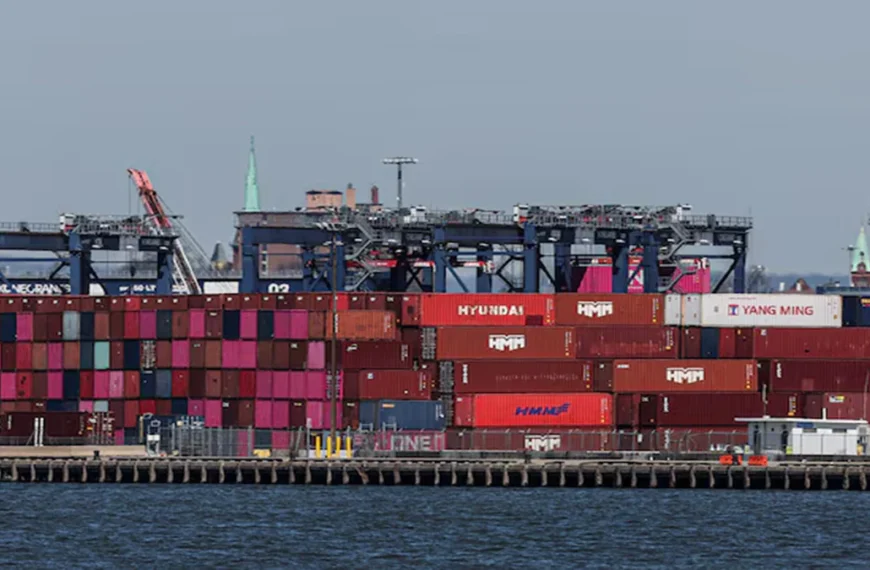
According to a U.S. official familiar with the intelligence review, the CIA concluded that Iran would likely avoid severe economic damage from the blockade of its ports for nearly four months. The assessment reportedly indicates that Tehran still possesses significant resilience despite increasing military and economic pressure.
The report was first highlighted by The Washington Post and comes at a crucial moment as diplomatic talks continue over formally ending the war.
U.S. Intelligence Official Rejects Claims
A senior U.S. intelligence official dismissed interpretations of the assessment, calling reports surrounding the CIA analysis “false.” The official argued that the blockade is already causing major economic disruption inside Iran.
According to the official, the restrictions are:
- Severing trade routes
- Reducing government revenues
- Weakening Iran’s economic system
- Increasing pressure on Tehran’s military infrastructure
The disagreement highlights growing uncertainty inside Washington regarding the effectiveness of current U.S. strategy toward Iran.
Strait of Hormuz Witnesses Fresh Military Clashes
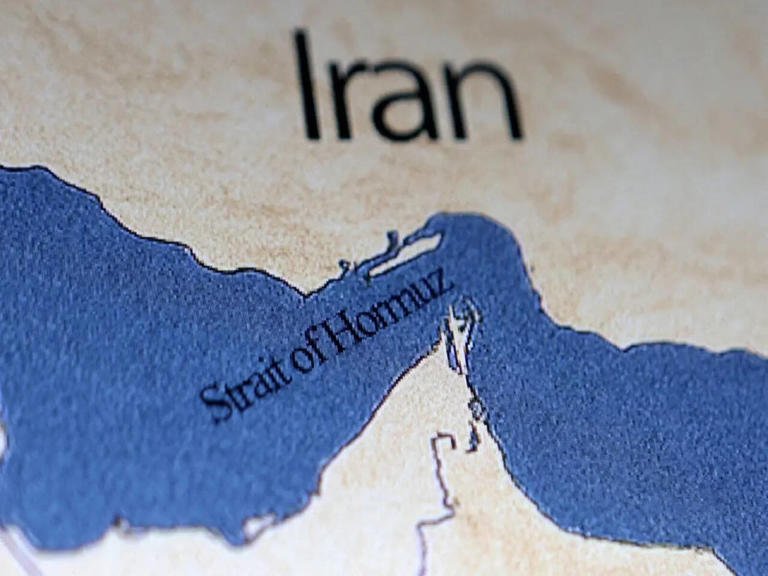
The Strait of Hormuz, one of the world’s most critical oil shipping routes, witnessed renewed clashes between Iranian forces and U.S. naval vessels despite an existing ceasefire.
Iranian media outlets, including Fars and Tasnim news agencies, reported sporadic confrontations in the waterway. Iranian military sources later stated that tensions had temporarily calmed but warned that additional clashes could occur.
The U.S. military confirmed that it struck two Iran-linked vessels attempting to enter an Iranian port. According to officials, a U.S. fighter jet targeted the vessels’ smokestacks, forcing them to retreat.
Since the conflict began with joint U.S.-Israeli airstrikes on Iran on February 28, Tehran has significantly restricted non-Iranian shipping through the Strait of Hormuz.
Oil Prices Rise Amid Gulf Uncertainty
The renewed instability in the Gulf region triggered another rise in global oil prices.
Brent crude futures climbed above $101 per barrel, although prices still remained more than 6% lower for the week overall. Analysts continue to monitor the Strait of Hormuz closely, as the route previously handled nearly one-fifth of the world’s oil supply before the conflict escalated.
Former U.S. President Donald Trump stated on Thursday that the ceasefire was still technically holding despite the flare-ups in the strategic waterway.
UAE Faces Missile and Drone Attacks
The conflict also spread beyond the Strait of Hormuz, with the United Arab Emirates reporting fresh attacks from Iran.
According to UAE officials, air defense systems intercepted:
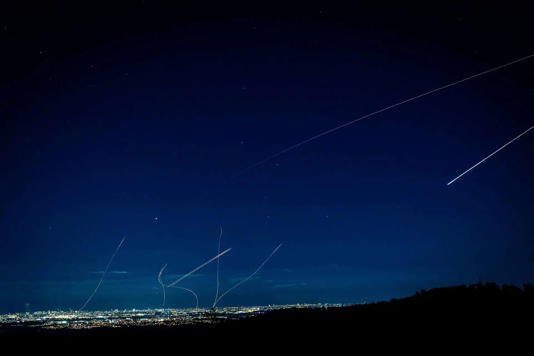
- Two ballistic missiles
- Three drones launched from Iran
Authorities confirmed that three people suffered moderate injuries during the attacks.
Iran has repeatedly targeted Gulf nations hosting U.S. military bases throughout the conflict. The latest escalation reportedly followed Trump’s announcement of “Project Freedom,” an initiative designed to escort commercial vessels through the strait.
Iran Accuses U.S. of Violating Ceasefire
Iran accused the United States of violating the ceasefire agreement that had largely remained in place since April 7.
Iranian Foreign Minister Abbas Araqchi criticized Washington’s actions, saying:
“Every time a diplomatic solution is on the table, the U.S. opts for a reckless military adventure.”
Iran’s Mehr news agency also reported casualties following a U.S. Navy attack on an Iranian commercial ship late Thursday. According to reports:
- One crew member was killed
- Ten people were injured
- Four individuals remain missing
Marco Rubio Pressures Allies Over Strait of Hormuz
U.S. Secretary of State Marco Rubio questioned why European allies, including Italy, had not fully supported Washington’s efforts to reopen the Strait of Hormuz.
After meeting Italian Prime Minister Giorgia Meloni in Rome, Rubio warned that allowing Iran to influence international shipping routes could create a dangerous global precedent.
He stated that normalizing Iran’s control over an international waterway could encourage similar actions in other regions around the world.
U.S. Announces Fresh Sanctions Against Iran
While diplomatic discussions continue, the United States also intensified economic pressure on Tehran.
The U.S. Treasury Department announced new sanctions targeting 10 individuals and companies accused of helping Iran’s military obtain:
- Weapons components
- Drone materials
- Industrial resources used in Shahed drone production
Several of the sanctioned entities are reportedly based in China and Hong Kong.
Treasury officials stated that Washington remains committed to weakening Iran’s military-industrial network and preventing Tehran from rebuilding its production capabilities.
The U.S. also warned that foreign companies and financial institutions supporting Iranian trade could face secondary sanctions, including entities connected to China’s independent “teapot” oil refineries.
Diplomatic Talks Continue Amid Rising Tensions
The latest developments come as Washington awaits Tehran’s response to a U.S. proposal aimed at formally ending the war before moving into negotiations over Iran’s nuclear program and broader regional issues.
Secretary of State Marco Rubio said the U.S. expected a response from Iran soon, though no official reply had been received by Friday night.
With military tensions rising again in the Gulf and diplomatic efforts facing uncertainty, the situation remains highly volatile as global markets and world leaders closely monitor developments.
FAQs
What did the CIA report say about Iran?
The CIA assessment reportedly concluded that Iran could withstand a U.S. naval blockade for nearly four months before facing severe economic pressure.
Why is the Strait of Hormuz important?
The Strait of Hormuz is one of the world’s most important oil shipping routes and previously handled around 20% of global oil supply.
What sanctions did the U.S. impose on Iran?
The U.S. imposed sanctions on 10 individuals and companies accused of supporting Iran’s drone and military production network.
Why did oil prices rise?
Oil prices increased due to renewed military tensions and instability in the Gulf region, especially around the Strait of Hormuz.
What is Project Freedom?
Project Freedom is a proposed U.S. initiative aimed at escorting commercial ships safely through the Strait of Hormuz amid the ongoing conflict.

 By
By