

Israeli Strikes Kill 31 in Lebanon Amid Escalating Hezbollah Conflict
At least 31 people were killed and 149 wounded in Israeli airstrikes on Lebanon, according to the Lebanese Health Ministry, as tensions between Israel and Hezbollah intensified sharply.
The ministry said Israeli raids targeted Beirut’s southern suburbs and areas in southern Lebanon, resulting in significant casualties in what it described as an initial toll.
The strikes followed Hezbollah’s announcement that it had launched missiles and drones toward Israel. The Iran-backed group said the attack was in retaliation for the killing of Iran’s Supreme Leader, Ali Khamenei.
Israel Targets Hezbollah Positions Near Beirut
The Israeli military confirmed it was targeting sites linked to Hezbollah, including senior militants operating near Beirut. More than a dozen explosions were reported across the Lebanese capital early Monday morning, shaking residential neighborhoods.
Residents fled on foot and by car as strikes began around 2:40 a.m. local time, leading to heavy congestion across Beirut.
Israel said it intercepted at least one projectile launched from Lebanon, while others landed in open areas inside Israeli territory.
The Israeli military warned that Hezbollah would be held “fully responsible for any escalation” and issued evacuation notices to residents in dozens of villages in southern and eastern Lebanon.
Ceasefire Unravels as Regional Conflict Widens
The renewed hostilities come despite a US-brokered ceasefire agreed in 2024 after more than a year of fighting that had significantly weakened Hezbollah.
Lebanon’s presidency said it had received assurances from the US ambassador that Israel would not escalate operations as long as Lebanon refrained from hostile actions. However, the latest exchange of strikes suggests the fragile truce has effectively collapsed.
The conflict between Israel and Hezbollah now risks further expansion amid broader regional instability following US and Israeli strikes on Iran over the weekend.
Iran Conflict Intensifies, Oil Prices Surge
The Middle East crisis deepened after the United States and Israel launched attacks on Iranian targets, prompting missile barrages from Iran toward Israeli cities including Tel Aviv.
Air raid sirens sounded across Israel as projectiles streaked across the night sky. Meanwhile, Israel claimed its air force had achieved aerial superiority over Tehran and conducted strikes targeting intelligence, security and military command centers in the Iranian capital.
In Iran, President Masoud Pezeshkian announced that a temporary leadership council had assumed the duties of Supreme Leader amid uncertainty following Khamenei’s reported death.
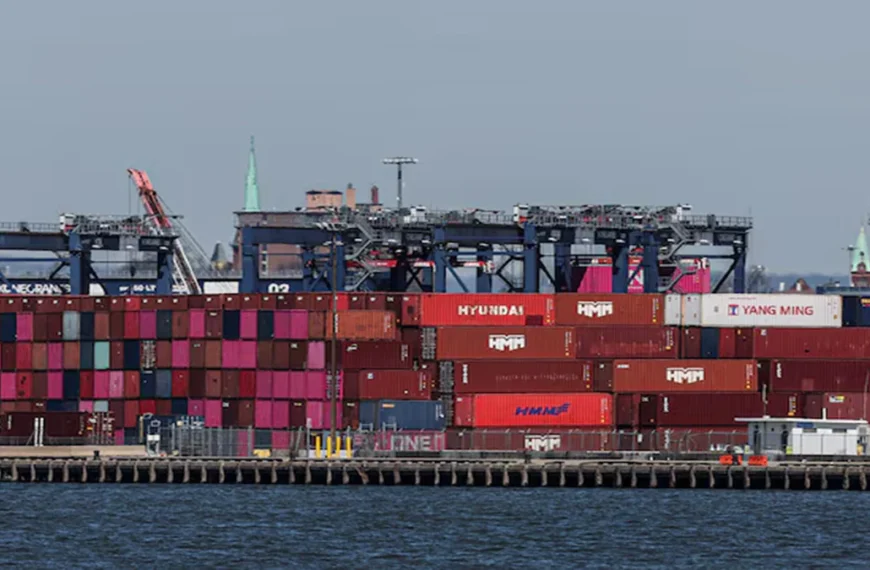
Oil markets reacted sharply to the widening conflict. Iran’s Revolutionary Guards claimed to have targeted oil tankers in the Gulf and the Strait of Hormuz, while shipping data showed hundreds of vessels anchoring amid fears of further attacks.
First US Casualties Confirmed
The United States confirmed its first casualties in the expanding campaign. Three US service personnel were killed at a base in Kuwait, according to US officials speaking anonymously.
Former President Donald Trump paid tribute to the fallen troops, calling them “true American patriots,” while warning that additional casualties were likely as operations continued.
The US military stated it had struck more than 1,000 Iranian targets since the beginning of major combat operations. American aircraft and warships have reportedly destroyed key naval assets and command structures.
Political and Strategic Implications
The escalating war presents political risks in the United States ahead of midterm elections. A Reuters/Ipsos poll suggested limited public support for prolonged military involvement.
Trump urged Iranian security forces to surrender and called on citizens to revolt against their government, promising immunity for those who defect and warning of severe consequences for resistance.
Meanwhile, Iran faces a potential leadership vacuum and mounting uncertainty over succession. Analysts suggest that while the death of senior leaders would significantly impact Tehran’s power structure, it may not necessarily dismantle the entrenched clerical establishment or the influence of the Islamic Revolutionary Guard Corps.
Uncertain Road Ahead
With Israeli strikes intensifying in Lebanon, Hezbollah vowing retaliation, US operations expanding in Iran, and oil markets rattled, the Middle East faces one of its most volatile periods in years.
Global air travel has also been severely disrupted, with major regional airports temporarily closing and airlines rerouting flights.
Diplomatic efforts appear limited for now, though Oman indicated that Iran had signaled openness to de-escalation — even as military actions continue on multiple fronts.
The coming days will likely determine whether the conflict stabilizes or spirals into a broader regional war.



 By
By